
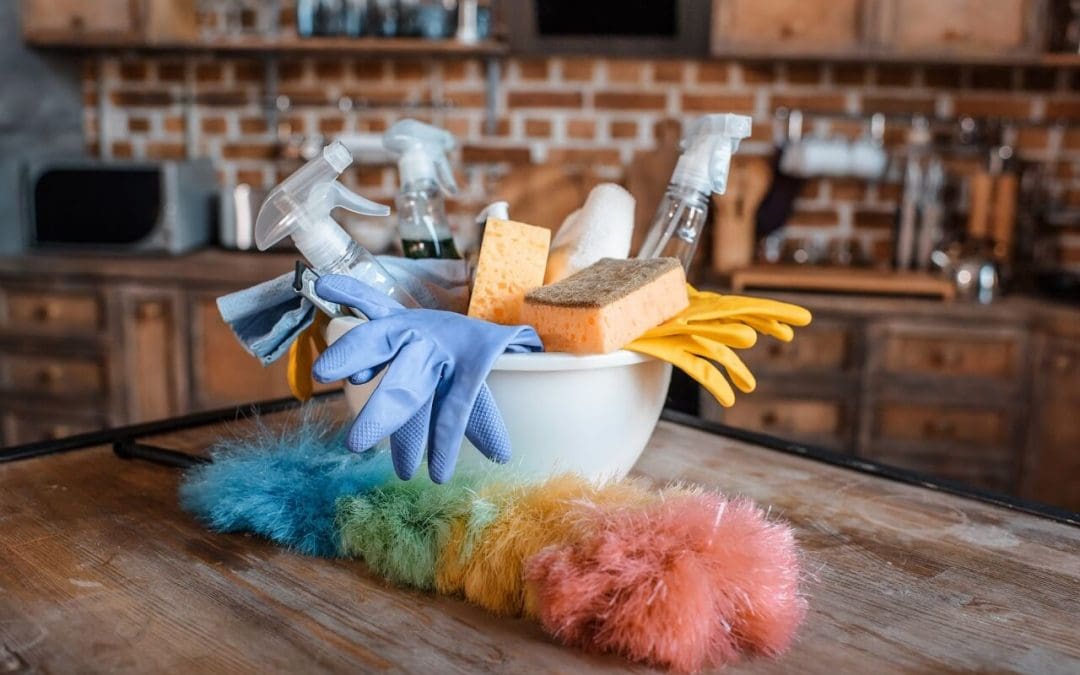
Homemade cleaning supplies have earned a genuine following among homeowners who want effective cleaning solutions without the expense of specialty commercial products, the plastic waste of single-use bottles, or the chemical load of cleaners that require ventilation to use safely. The reality is that the ingredients behind most effective homemade cleaning supplies cost very little, last a long time, and in combination address the vast majority of household cleaning needs. Understanding which ingredients do what, which surfaces they’re appropriate for, and which combinations to avoid produces a genuinely effective supplies toolkit that replaces most of what’s under the average kitchen sink.
What’s Actually in Effective Homemade Cleaning Supplies
The effectiveness of homemade cleaning supplies comes down to the chemistry of a few key ingredients. Baking soda is a mild abrasive and natural deodorizer that works through gentle mechanical action, lifting surface residue and neutralizing acidic odors. It’s appropriate on nearly every household surface and is the base ingredient in most homemade cleaning supplies targeting scouring. White vinegar is acidic, making it effective at dissolving mineral deposits, soap scum, and alkaline residue. It’s an excellent glass cleaner, a reliable degreaser, and has limited antimicrobial properties. The important caveat: vinegar should not be used on natural stone or grout.
Castile soap is a plant-based liquid soap that provides the surfactant action needed to lift grease and organic soil. A small amount in water provides effective all-purpose cleaning without streaking. Hydrogen peroxide at three percent concentration is a genuine disinfectant that kills bacteria, viruses, and mold spores. It’s a better choice than vinegar when sanitation is the goal. Important: hydrogen peroxide and vinegar should never be mixed in the same bottle, the combination produces peracetic acid that is corrosive and irritating to skin and airways.
Homemade Recipes for Every Room
With the core ingredients understood, the recipes for the most useful homemade cleaning supplies are straightforward. An all-purpose spray for countertops and most non-stone surfaces combines one cup of water, one cup of white vinegar, and fifteen to twenty drops of an essential oil like tea tree, lavender, or lemon. Store in a labeled spray bottle and shake before each use. A gentle scrubbing paste for sinks, tubs, and tile combines half a cup of baking soda with enough liquid castile soap to form a thick paste, approximately two to three tablespoons. Apply with a damp sponge, scrub, and rinse. This paste is one of the most versatile homemade cleaning supplies in any household.
A glass and mirror cleaner combines two cups of water, half a cup of white vinegar, and a quarter cup of rubbing alcohol. This mixture outperforms many commercial glass cleaners at a fraction of the cost. For bathroom disinfection, hydrogen peroxide applied directly to surfaces and allowed to dwell for five to ten minutes before wiping provides effective sanitation without the strong chemical smell of bleach-based products.
Homemade Cleaning Supplies for Floors and Large Surfaces
Floor cleaning is where homemade cleaning supplies are particularly cost-effective given the volume required. For hardwood floors, a teaspoon of liquid castile soap per gallon of warm water provides gentle cleaning without stripping or leaving residue. Wring the mop thoroughly, and the castile solution cleans without warping or dulling the finish. For tile and vinyl floors, a quarter cup of white vinegar per gallon of warm water handles routine maintenance effectively. Add five to ten drops of essential oil if the vinegar smell is objectionable; it dissipates as the floor dries. This solution should not be used on stone tile or grout.
Frequently Asked Questions (FAQs)
Are homemade cleaning supplies as effective as commercial products?
For most everyday cleaning, homemade cleaning supplies are genuinely effective and comparable to commercial alternatives. Where commercial products maintain an advantage is in specialized applications: heavy-duty degreasers for serious buildup and clinical-grade disinfectants for specific pathogens.
What containers should I use to store homemade cleaning supplies?
Glass spray bottles are the best choice for vinegar-based and essential oil-containing homemade cleaning supplies; vinegar and essential oils can degrade certain plastics over time. If glass isn’t practical, look for PET or HDPE plastic bottles rather than standard spray bottles. Label every container clearly with contents and date. Most liquid homemade cleaning supplies remain effective for one to three months before ingredients begin to lose potency.
Which surfaces should I avoid using homemade supplies on?
Natural stone, marble, granite, travertine, and limestone should not be cleaned with vinegar or any acidic cleaning supplies. Cement-based grout should not be cleaned with vinegar for the same reason. Waxed or oiled wood surfaces may not respond well to castile soap, which can strip the protective finish. Any surface where the manufacturer provides specific cleaning guidance should follow that guidance.
Can I use essential oils in all homemade supplies?
Essential oils contribute scent and, for some like tea tree and thyme, meaningful antimicrobial properties. They’re appropriate in most spray and liquid homemade cleaning supplies at fifteen to thirty drops per bottle. Avoid using them in homemade cleaning supplies for surfaces that might absorb them, unsealed wood, or porous stone, where the oil can create staining.
How do I know if a homemade product is actually disinfecting?
Cleaning and disinfecting are different functions. Vinegar and castile soap clean effectively but don’t meet the EPA definition of a disinfectant. Hydrogen peroxide at three percent concentration is a disinfectant when allowed to dwell on surfaces for five to ten minutes before wiping.
Pro Spect Home Inspections offers inspection services in Citrus, Hernando, Polk, Pasco, Hillsborough, and Pinellas counties. Contact us to request an appointment.