
Moisture problems can quietly damage a home long before they become obvious. Many homeowners first notice small clues such as a musty smell, peeling paint, or minor condensation on windows. While these may seem harmless at first, they often signal deeper problems that could affect structural materials, indoor air quality, and overall comfort. Homes naturally produce moisture through everyday activities like cooking, showering, washing clothes, and even breathing. Normally, proper ventilation and insulation keep humidity levels balanced. Left unchecked, moisture problems may lead to mold growth, wood rot, damaged drywall, and weakened structural components. The good news is that many of these issues can be prevented or resolved once homeowners understand what to look for and how to respond.
Common Causes of Moisture Problems
Moisture problems often stem from a combination of environmental factors and home design issues. One of the most common causes is poor ventilation. Bathrooms, kitchens, and laundry rooms generate large amounts of humidity, and without proper airflow, that moisture lingers inside the home. Roof leaks and plumbing leaks are also frequent culprits. Even a small drip inside a wall could gradually introduce enough moisture to create long-term damage. Over time, the materials surrounding the leak absorb water, creating ideal conditions for mold and decay.
Foundation cracks and poor drainage around the exterior of the house may also allow water to seep indoors. When rainwater collects near the foundation instead of draining away, it can eventually find its way into basements or crawl spaces. Climate plays a role as well. Homes in humid environments are naturally more prone to moisture buildup, especially if they lack dehumidification systems or adequate airflow.
Warning Signs of Moisture Problems
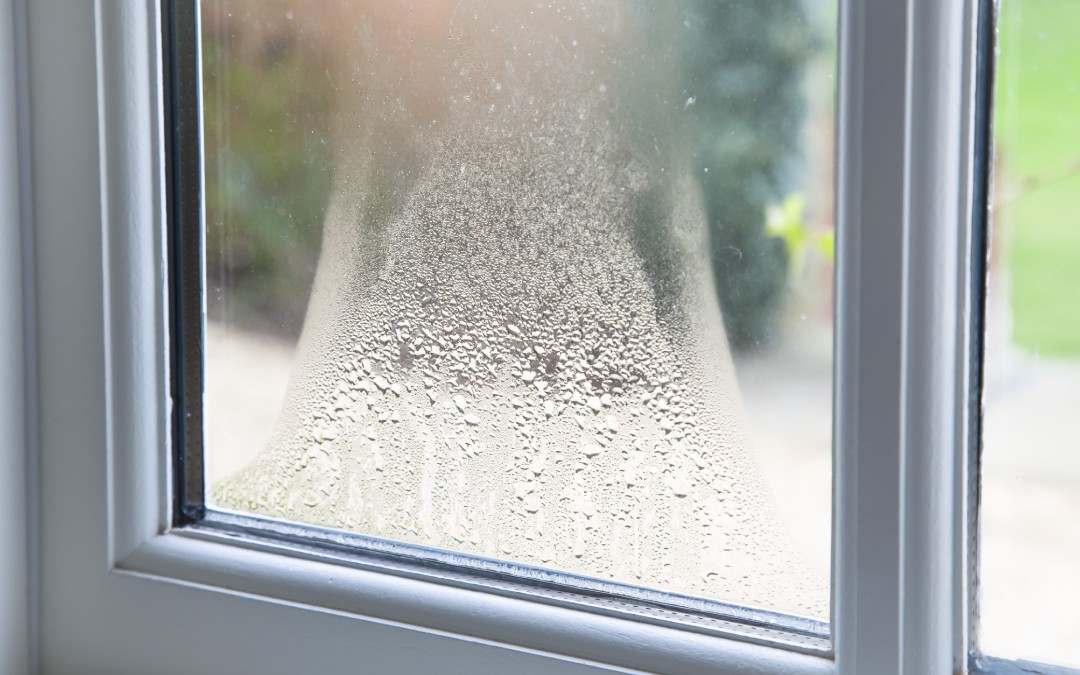
Many moisture problems reveal themselves through subtle changes around the home. One of the most common signs is condensation forming on windows or cold surfaces. While occasional condensation can be normal, persistent buildup often indicates high indoor humidity. Discoloration on walls or ceilings is another signal. Water stains, bubbling paint, or warped drywall suggest that moisture may be trapped behind surfaces. In some cases, the paint or wallpaper may begin to peel away entirely.
Musty odors are particularly telling. When moisture accumulates in enclosed spaces, mold and mildew can develop, producing a distinct damp smell that lingers in rooms, closets, or basements. Homeowners may also notice warped flooring, soft wood, or visible mold growth in corners or around fixtures. These indicators should never be ignored, as they often mean the problem has already progressed beyond the early stages.
How Moisture Issues Affect Your Home
Moisture problems do more than create cosmetic damage. Over time, excess moisture may weaken structural components such as wooden framing, floor joists, and roof decking. Materials that remain damp for extended periods gradually deteriorate, compromising the integrity of the building. Indoor air quality may also decline. Mold spores thrive in damp environments and could circulate through the home’s air system. This can trigger allergies, respiratory irritation, and other health concerns for occupants.
Energy efficiency may suffer as well. Wet insulation loses much of its effectiveness, allowing heat to escape during winter and enter during summer. This forces heating and cooling systems to work harder, increasing energy bills. Because these effects compound over time, addressing moisture problems early is one of the most important steps homeowners can take to protect their property.
Preventing Moisture Problems in the Future
Prevention is often simpler and less expensive than repairing damage. Maintaining good airflow throughout the home is one of the most effective strategies. Exhaust fans in bathrooms and kitchens should be used regularly to remove humidity created by daily activities. Routine home maintenance also plays a major role. Roofs, gutters, and downspouts should be inspected regularly to ensure water is directed away from the home’s structure. Keeping gutters clean helps prevent water overflow that can soak walls or foundations.
Inside the home, maintaining balanced humidity levels is crucial. Many experts recommend keeping indoor humidity between 30 and 50 percent. Dehumidifiers, especially in basements or humid climates, can help maintain this balance. Proper insulation and sealing around windows and doors reduce condensation and prevent outside moisture from entering the home. With these steps, homeowners will significantly reduce the likelihood of developing moisture problems.
Frequently Asked Questions (FAQs)
Can moisture problems cause mold?
Yes. Mold thrives in damp environments. When moisture remains trapped in walls, ceilings, or floors, mold can begin growing within 24 to 48 hours.
Are moisture problems more common in certain areas of the home?
Yes. Bathrooms, kitchens, basements, laundry rooms, and crawl spaces are particularly vulnerable because they regularly produce or trap humidity.
How can homeowners detect hidden moisture?
Signs such as musty odors, water stains, warped materials, and peeling paint often indicate hidden moisture. In some cases, professional inspections using moisture meters or thermal imaging may be needed.
When should a professional be called?
If moisture problems persist despite basic fixes, or if mold growth, structural damage, or recurring leaks appear, contacting a home inspection or restoration professional is recommended.
Pro Spect Home Inspections offers inspection services in Citrus, Hernando, Polk, Pasco, Hillsborough, and Pinellas counties. Contact us to request an appointment.