The assumption that a brand-new home is free of the problems an older home might have is understandable, but it isn’t supported by the experience of buyers, inspectors, or builders themselves. New construction defects range from cosmetic finishing issues to significant installation errors in major systems. Understanding what new construction defects look like, where they tend to concentrate, and how to protect yourself against them before closing is the knowledge that separates an informed buyer from a surprised one.
The Most Common New Construction Defects and Where They Hide
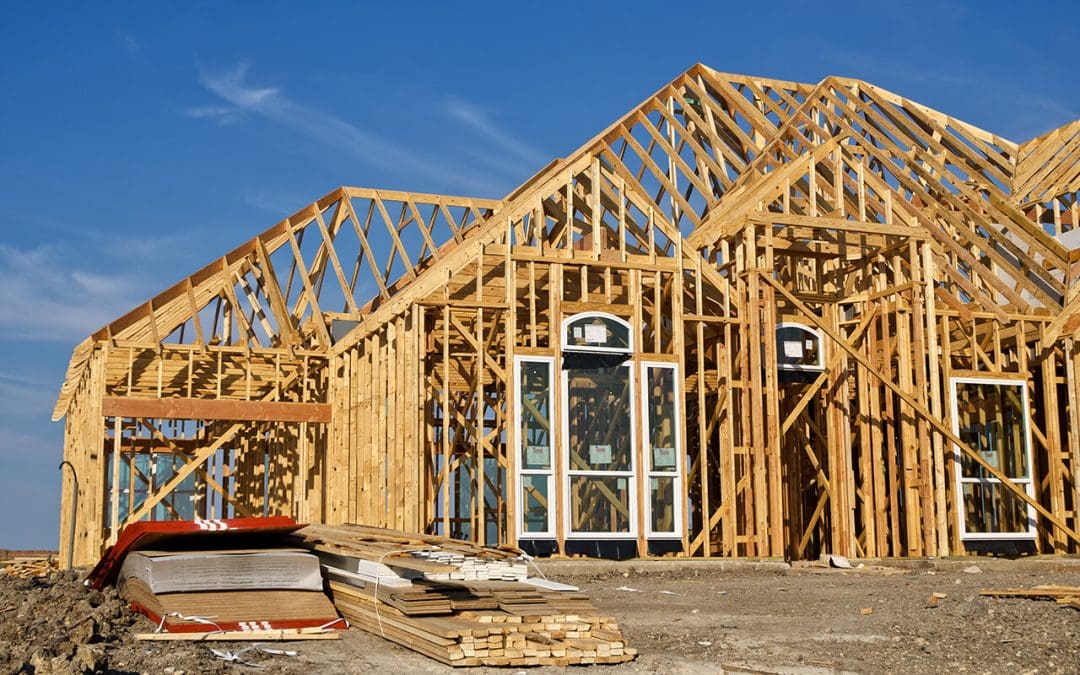
Framing and structural issues are among the most consequential new construction defects, and most likely to go undetected without a dedicated inspection. Improperly spaced or notched framing members, missing hangers at joist connections, inadequate blocking, and header sizing that doesn’t match the load it carries are all conditions that disappear behind drywall before closing. These are often installation errors that occur under schedule pressure. HVAC installation defects are among the most consistently reported defects. Undersized ducts, improperly balanced airflow, disconnected flex duct in the attic, and equipment improperly sized for the home’s actual load produce performance issues invisible at the walkthrough and apparent only after the system runs through a full heating or cooling cycle. A system producing differential room temperatures of more than three to four degrees in a new home is demonstrating one of the most common new construction defects in mechanical installations. Plumbing installation errors are the defects most likely to produce immediate visible consequences. Improperly sloped drain lines, supply line connections that develop slow leaks behind walls, hot and cold supply reversed at fixtures, and improper venting producing sewer gas odors are all conditions documented regularly in new construction inspections.
Envelope and Moisture-Related Defects
The building envelope, the combination of roofing, exterior cladding, windows, doors, and the sealing between them, is the source of new construction defects that tend to produce the most expensive long-term consequences when missed. Window and door installation errors are among the most frequently documented. Windows not properly flashed, installed with gaps in the weather seal, or set without adequate shimming allow water infiltration at the perimeter of every opening. The damage this produces develops over time rather than immediately, meaning the buyer who doesn’t have these assessed before closing may not discover them until significant damage has occurred. Roofing defects include improper flashing at penetrations and valleys, inadequate fastening patterns for the local wind exposure category, and ventilation installations that don’t meet requirements for the attic volume being served. A visually complete roof isn’t necessarily correctly installed, and is among the most expensive to address after the fact.
The New Construction Defects That Show Up in Finishes and Systems
Drywall installation defects, such as nail pops, seam cracking, and inconsistent texture, are the most visible surface new construction defects and typically improve as the home’s framing dries and stabilizes. Worth documenting at the final walkthrough as warranty items rather than accepting as normal settling. Electrical installation errors include outlets wired without a ground, reversed polarity at receptacles, GFCI and AFCI protection missing at required locations, and circuit breakers unlabeled or labeled incorrectly. These either don’t produce symptoms until something goes wrong or produce symptoms immediately; both warrant documentation and builder response before the warranty window closes.
Frequently Asked Questions (FAQs)
Do new construction homes come with a warranty that covers these defects?
Most new construction homes come with a builder warranty covering workmanship and materials, mechanical systems, and structural defects, though the specific terms, coverage periods, and exclusions vary significantly by builder and state. Reviewing the warranty documentation before closing is essential so you know exactly what’s covered, for how long, and what the process is for submitting a claim.
Why does a new construction home need a professional inspection if it passed code inspections?
Municipal code inspections check compliance at specific construction stages; they’re not comprehensive buyer-focused evaluations. A professional home inspection is performed by someone looking for the conditions that affect the buyer’s experience: new construction defects that pass code but represent installation quality issues, systems that function marginally rather than optimally, and conditions the builder can be asked to address before the warranty period narrows.
What is an 11-month inspection and why does it matter for new construction defects?
An 11-month inspection is a professional home inspection conducted between 10 and 11 months after closing, before the typical one-year warranty expires. It identifies new construction defects that have become apparent through the first year of occupancy, when the home has run through seasonal cycles and full HVAC operation. Findings go to the builder as a warranty claim while the buyer still has contractual leverage to require repair.
Can I negotiate repairs before closing based on a new construction inspection?
Yes, and this is one of the most valuable reasons to have a pre-closing inspection. A professional inspection before closing gives the buyer a documented list of new construction defects to present to the builder while the transaction is still open. Most builders prefer to address documented issues before closing rather than create a record of disputed conditions.
Pro Spect Home Inspections offers new construction inspection services in Citrus, Hernando, Polk, Pasco, Hillsborough, and Pinellas counties. Contact us to request an appointment.